封面-横.png)
In“The ‘reliability code’ of solid-state lasers”article,we explain why “reliability” is so important-it directly determines the production efficiency and quality stability of laser processing production lines.The four root problems that restrict the high reliability of the system are the gradual attenuation of material performance,the extremely high stability requirement of the optical path,the complex and sensitive operating environment and the high difficulty of multi-parameter collaborative control.
The conclusion of “high reliability” does not come out of thin air and must be confirmed by a systematic and rigorous verification process.As the second in a series,this article will focus on the key aspect of reliability verification,demonstrating the high reliability of HPR’s self-developed ultrafast solid lasers in scene applications through a series of rigorous and systematic tests combined with concrete data and practical performance.
To fully and objectively assess the reliability of lasers,we have designed a complete test system covering optical,mechanical,thermal,electrical control and long-term operational performance.
All tests yielded clear data results as follows:
① Optical device material detection switch
Test changes in optical performance indicators before and after lasers pass through crystals or other optical devices in static conditions to ensure high quality and uniformity of the imported optical device.
② Selection of Heating Material
We used a large number of heat dissipation tests to select the best heat dissipation solution for a variety of materials such as thermally conductive silicone,graphene sheets, germanium foil and soft metals.
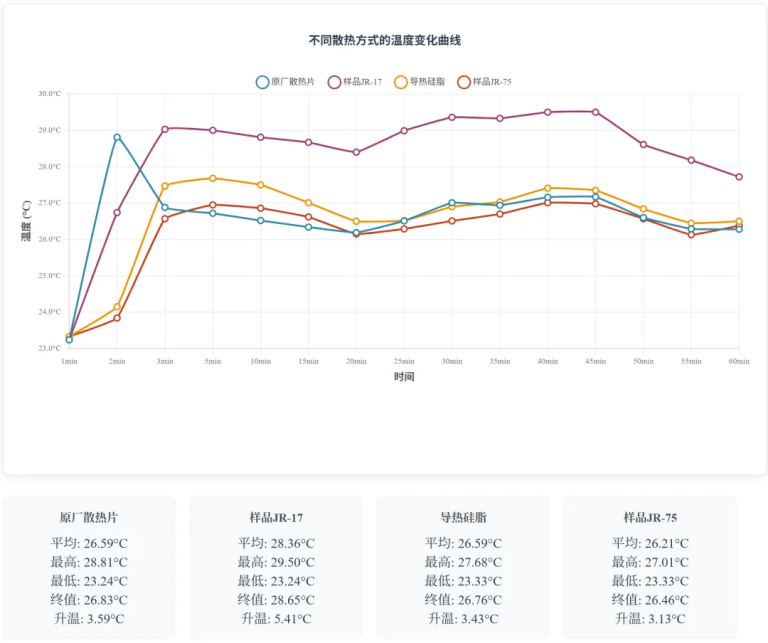
△Temperature Curve of Different Heat Dissipation Methods
③ Structural Stability Verification
Carry out high and low temperature cycle test and X, Y, Z three-dimensional vibration, impact and collision test to verify the structural design and internal device stability.
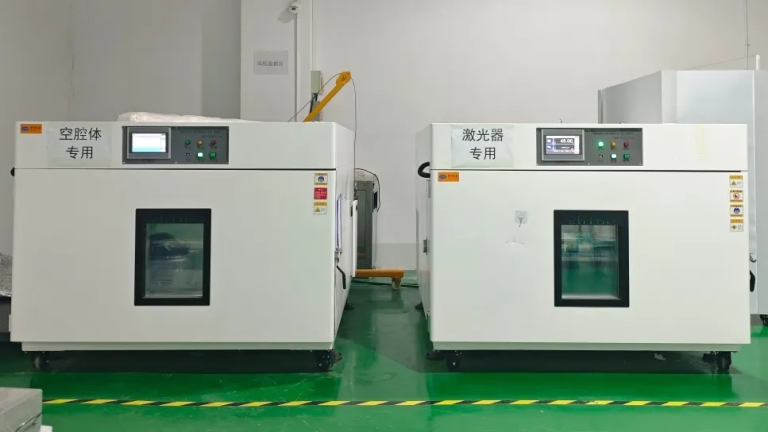
△Temperature and Temperature Testing
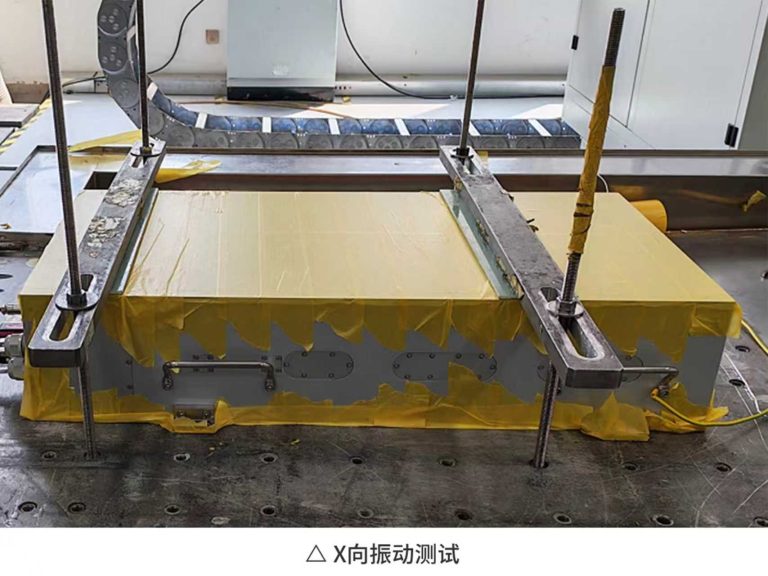
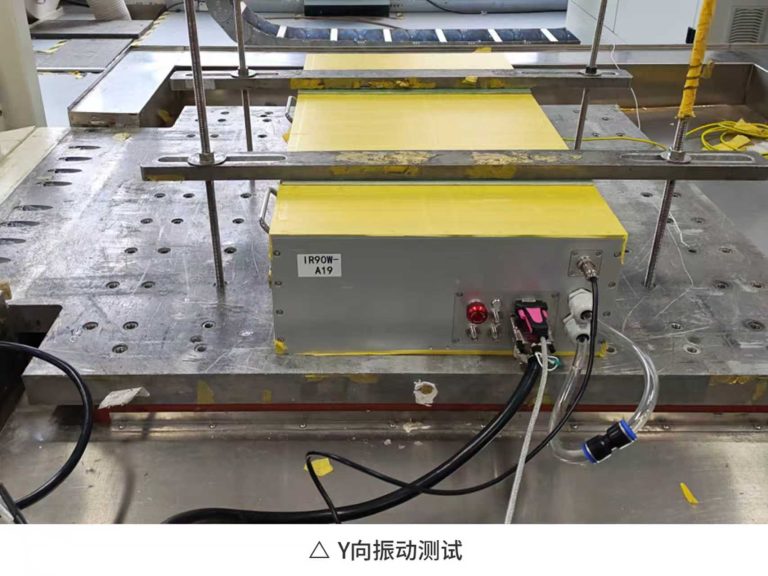
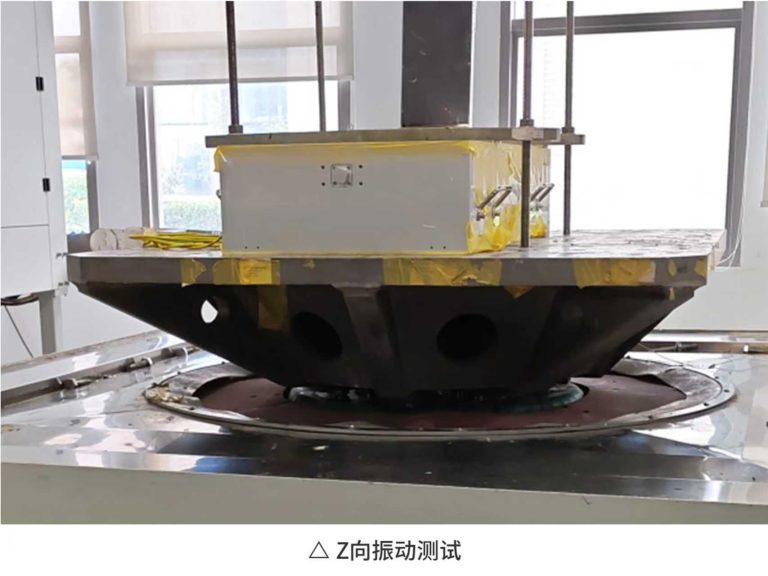
△XYZ Three Direction Mechanical Test Intention
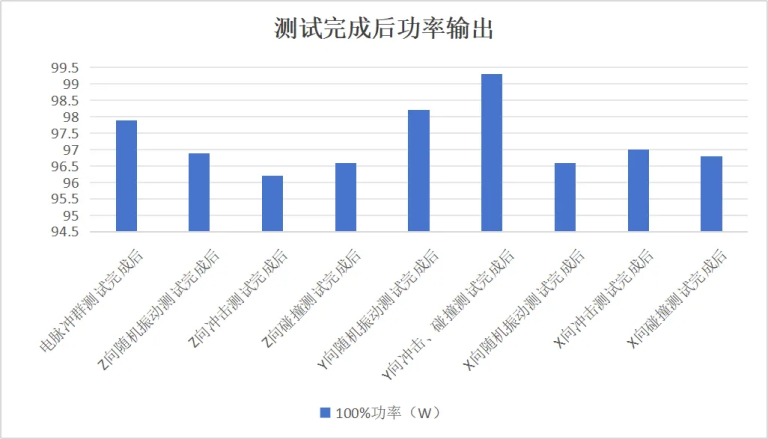
△ Demonstration of Power Output after Test
* Power RMS<3% after vibration,collision and impact test,meet the target.
④ Control and monitoring system testing
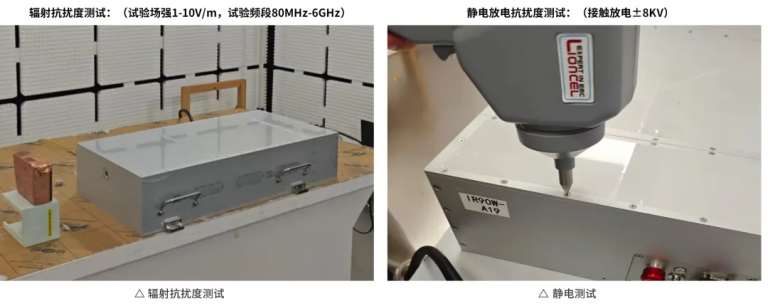
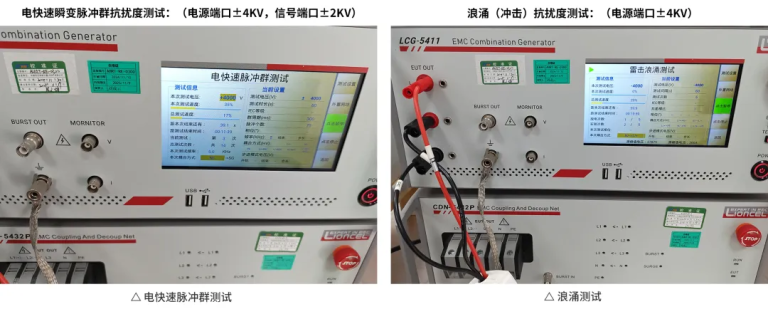
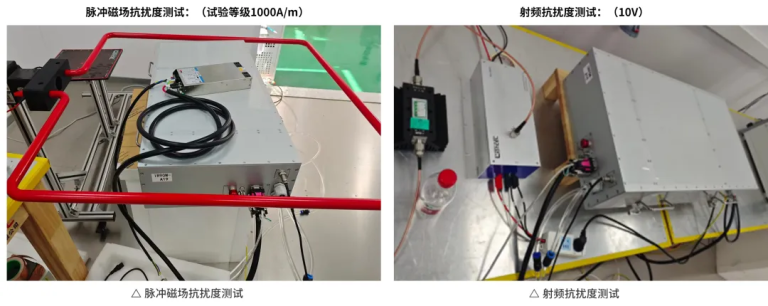
Multiple electromagnetic compatibility tests are performed according to national standards,including radiation immunity,electrical fast transient,pulse magnetic field,radio frequency conductivity immunity and electrostatic discharge tests.
⑤ Verification of long-term light stability
In the 7*24h running test,the power stability reached 0.23%,which met the use requirements.
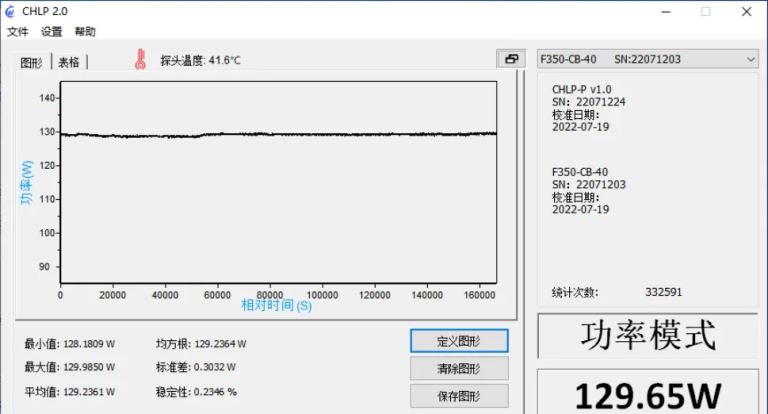
△ Simulation of Power Stability Test
⑥ Laser spot pointing monitoring
Under the conditions of “12 h continuous work, temperature change from 18 C to 23 C, and test distance of 1 m,” the deviation angle of the two directions is less than 53 urad, and the spot directivity meets the needs.
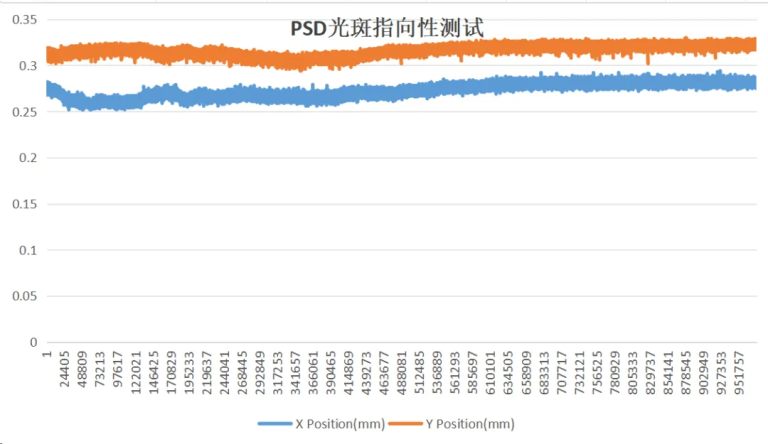
△ PSD Directivity Monitoring Chart
⑦ Environmental control of the process
Implement workshop 6S management,daily particle size inspection to ensure the cleanliness of production environment.
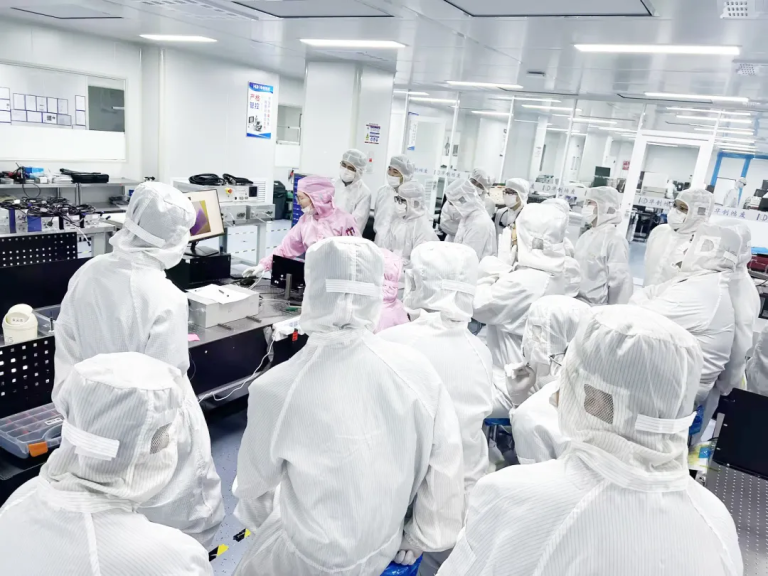
△6S Management Training
By conducting a multidimensional,systematic and complete test of the laser, we completed a comprehensive “physical examination” of the rigorous industrial application scenario.The test was based on clear quantitative indicators,and the data not only fully met the preset goals,but also showed exceptional stability across a number of key indicators.
These data are related to each other and jointly show that:in key dimensions such as environmental adaptability,long-term operation stability and precise control ability,our products have reached the industry-leading high reliability standard through systematic empirical research.This not only provides a solid foundation for products to cope with complex industrial environments,but also enables them to be directly integrated into high-end manufacturing production lines and continuously create stable value.
Based on systematic reliability design,full-process quality control and precision manufacturing processes, we have achieved the development and mass production of highly reliable solid lasers.Products have now been successfully used in many customers’ end equipment and production lines,continuously providing customers with reliable assurance of efficient,continuous and stable operation in precision processing, scientific research,medical and other fields.
This paper completed empirical proof of reliability through a rigorous test system.High reliability is often rooted in forward-looking design,and in the following article,we will focus on three core systems-optics, mechanical,and electrical control-and explain in detail the targeted design strategies and engineering pathways to achieve rigorous test metrics.Please pay attention.